
Fair Berth
Tesla Cybercab at an oblique angle, butterfly doors open.

Platform

The yard, in working order.

A professional operator is a set of rules that still hold at 2 a.m. These are the systems we are building. They are intentions and methods — not a claim that a Fair Berth fleet is already on the road.

Acquisition

Buy as if you will still own it.

  • Spec against the work: range, seating, cargo, accessibility — not against a brochure mood.
  • Order windows and delivery acceptance. A vehicle that fails inspection does not enter service.
  • VIN-level records from the day a unit exists in our care: software version, tires, glass, campaigns.
  • A hold line. Capital is patient; a defective intake is not “close enough.”
Energy

Charging is a schedule, not a hope.

  • Depot charging as the default; on-route charging as contingency, not a plan.
  • Off-peak power where the tariff rewards it. Peak is a cost we intend to see in advance.
  • A floor state of charge before a vehicle may take a rider. Below that line, it stays in the slip.
  • Thermal dwell and cable time on the roster, so “almost ready” is not a status.
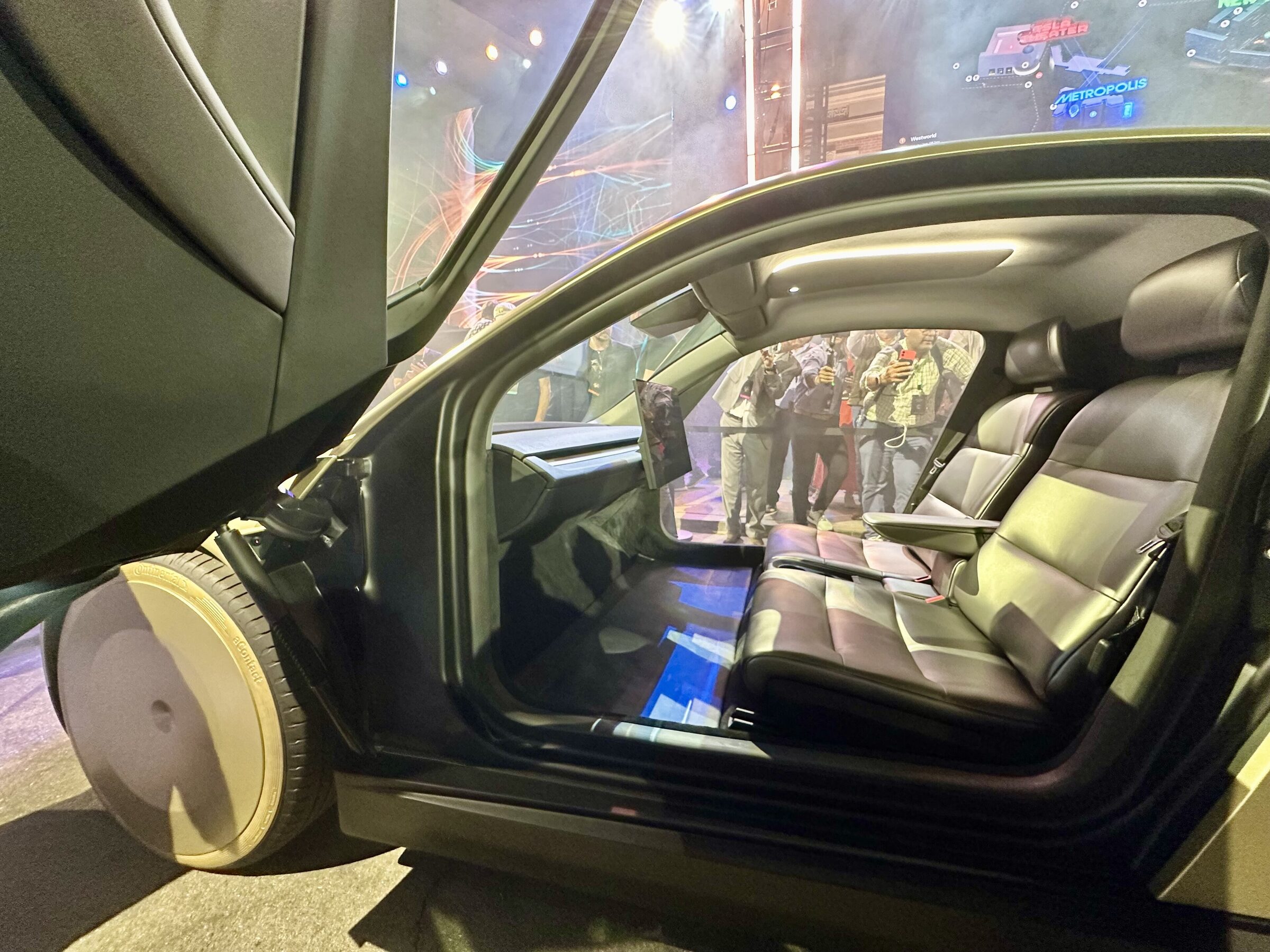
Cybercab cabin with two seats and no steering wheel.

Turn the cabin like it is a public room.

Cleaning

A public room, between trips.

  • A turn standard between trips: touch surfaces, floor, visible cabin, odor.
  • A written biohazard stop — vehicle out of service until it is actually cleared.
  • A night deep-clean for units that worked, not a weekly gesture.
  • Consumables tracked so a car is not waiting on towels, fluid, or bags.

Insurance

Coverage before the first working mile.

  • Owner and operator coverage placed before a vehicle works.
  • Research into surplus-line treatment of autonomous exposure. A personal auto policy is not a fleet program.
  • A claims desk with a named person, not a shared inbox that goes quiet on Friday.
  • Written withdrawal criteria after an incident. The car does not negotiate its way back into service.

Compliance

The rules that apply to the work we actually do.

  • Florida requirements as they attach to the operation — not a printout of someone else’s city.
  • Local permitting and property or airport access where the work needs it.
  • Records: who released a vehicle, at what software version, after which inspection.
  • No vehicle in service with overdue safety work. A campaign is a stop, not a reminder.

Remote ops

A desk that can pull a car out of circulation.

  • Immediate withdrawal from service — one action, logged.
  • Recovery and roadside contracted before we need them.
  • A rider channel when the vehicle cannot finish the trip.
  • Overnight coverage. This is not a business that sleeps because the calendar says weekday.